


Dubai has always been synonymous with opulence, innovation, and world-class experiences. Over the past decade, it has firmly positioned itself as a global hub for luxury tourism. From iconic skyscrapers to private desert safaris, Dubai offers experiences that go far beyond traditional travel. Today, luxury travel is not just a segment—it is shaping the future of tourism in Dubai.
1. Dubai’s Identity Is Built on Luxury
Dubai has never aimed to be average. It has consistently redefined global standards with architectural marvels like the Burj Khalifa and ultra-luxurious hotels such as Burj Al Arab. The city’s vision has always revolved around offering premium experiences, making luxury travel a natural extension of its identity.
Tourists visiting Dubai are not just looking for sightseeing—they seek exclusivity, comfort, and unforgettable moments. This demand aligns perfectly with Dubai’s brand.
2. Rise of High-Net-Worth Travelers
Globally, the number of high-net-worth individuals (HNWIs) is increasing, and Dubai is one of their top destinations. With its tax-friendly policies, safety, and premium lifestyle, the city attracts affluent travelers who prefer personalized and luxurious experiences.
From private jet arrivals to chauffeur-driven Rolls-Royces, Dubai caters seamlessly to elite travelers who prioritize comfort and privacy.
3. Personalized and Experiential Tourism
Modern luxury is no longer just about expensive hotels—it’s about unique, curated experiences. Dubai excels in offering:
- Private desert safaris with gourmet dining
- Helicopter tours over Palm Jumeirah
- Exclusive shopping experiences in Dubai Mall
- Luxury yacht cruises along Dubai Marina
These experiences create emotional value, which is becoming the new definition of luxury.
4. World-Class Hospitality and Infrastructure
Dubai’s hospitality sector is among the best in the world. Luxury hotels and resorts provide unmatched service, including personal butlers, private beaches, and Michelin-star dining.


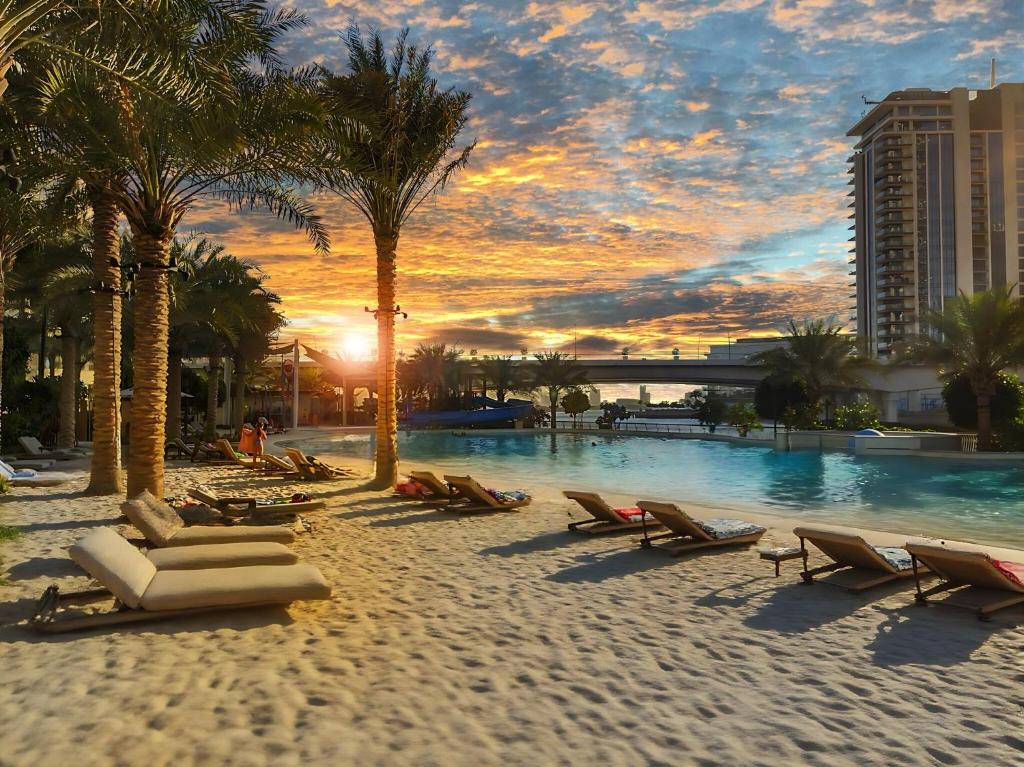

Properties like Atlantis The Royal and Armani Hotel Dubai redefine comfort and elegance, ensuring that visitors experience nothing but the best.
5. Safety, Cleanliness, and Premium Lifestyle
Post-pandemic travel trends show that tourists prioritize safety and hygiene. Dubai stands out with its strict regulations, clean environment, and advanced healthcare infrastructure.
Luxury travelers, in particular, value destinations where they can enjoy peace of mind along with indulgence—and Dubai delivers both.
6. Shopping and Entertainment at a Global Scale
Dubai is a paradise for luxury shoppers. From designer brands to bespoke fashion, the city offers an unmatched retail experience. Events like the Dubai Shopping Festival further enhance its appeal.
Additionally, entertainment options such as fine dining, rooftop lounges, and exclusive clubs elevate the luxury travel experience.
7. Innovation and Future-Ready Tourism
Dubai continuously invests in futuristic experiences—from AI-powered hotels to sustainable luxury resorts. The city’s forward-thinking approach ensures it stays ahead in the global tourism industry.
Projects like luxury eco-resorts and smart tourism initiatives indicate that Dubai is not just following trends—it is creating them.
8. Strong Government Support
Dubai’s government actively promotes tourism through strategic initiatives, visa reforms, and global marketing campaigns. The focus on high-value tourism ensures sustainable growth while maintaining exclusivity.
Conclusion
Luxury travel is no longer a niche—it is the driving force behind Dubai’s tourism success. With its unmatched blend of innovation, exclusivity, and world-class experiences, Dubai continues to attract travelers who seek more than just a vacation.
As global travel evolves, one thing is clear: Dubai is not just keeping up with luxury trends—it is defining the future of luxury tourism.